

Gut & Digestive Health
Why Gut Health Matters
Your digestive system does far more than process food. Understanding how it works can help you make better choices for digestion, nutrition and everyday wellbeing.
Divine Odonkor9 min read
Read Article Gut & Digestive Health
Burning discomfort, nausea, loss of appetite or upper abdominal pain may make you wonder whether you have gastritis — but symptoms alone cannot tell the whole story. Understanding what gastritis actually means is the first step toward dealing with it appropriately.
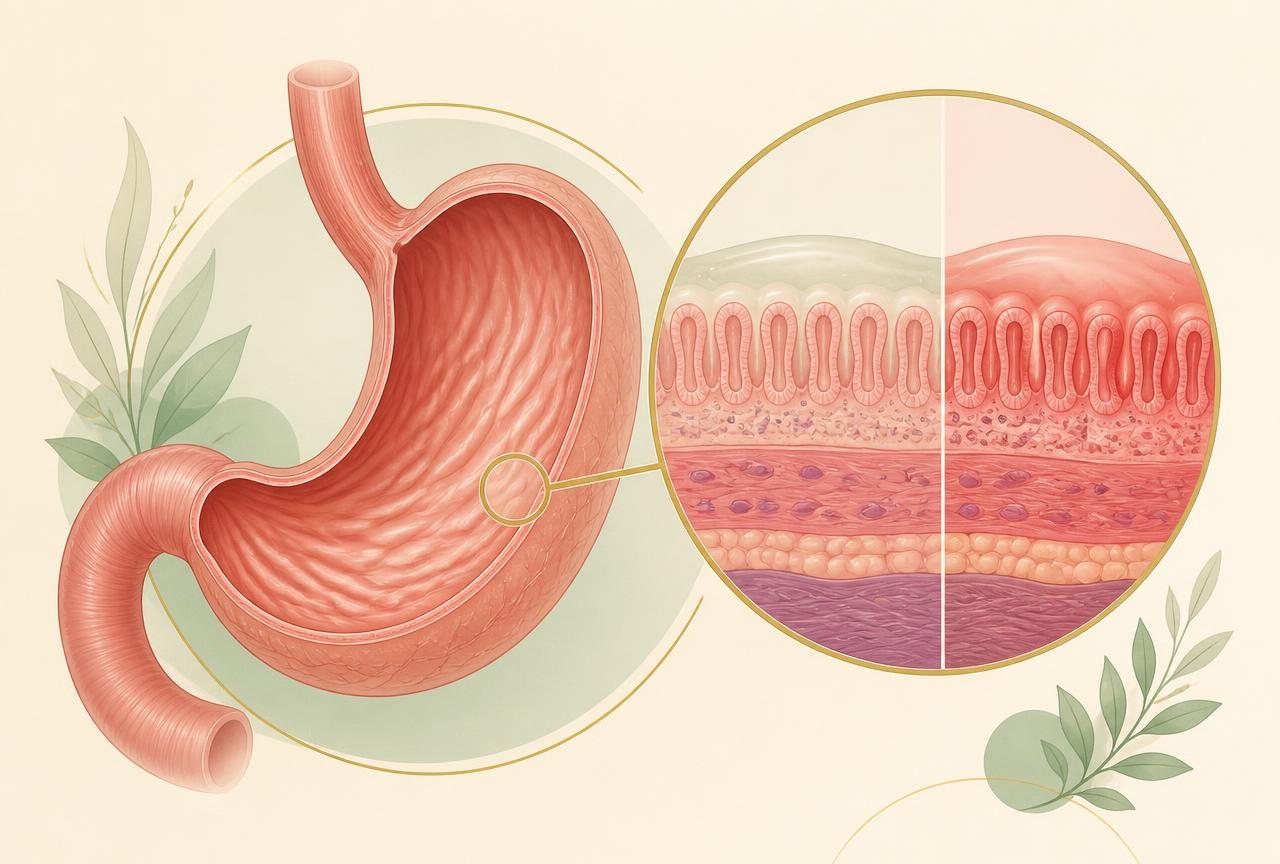
Gastritis means inflammation of the lining of the stomach. That is the whole definition — it describes a state of the tissue that covers the inside of the stomach, known as the gastric mucosa.
This matters because the word is often used loosely. In everyday conversation “gastritis” gets used as a general label for almost any uncomfortable feeling in the upper abdomen. But gastritis is not simply another word for stomach pain, gas, indigestion, acid reflux or an ulcer.
Those conditions and symptoms can overlap. Someone can have gastritis and reflux at the same time. Someone else can have burning stomach pain with no inflammation of the stomach lining at all. The words describe different things, and using them precisely helps you get the right assessment.
“Gastritis” describes inflammation of the stomach lining — not every uncomfortable feeling in your stomach.
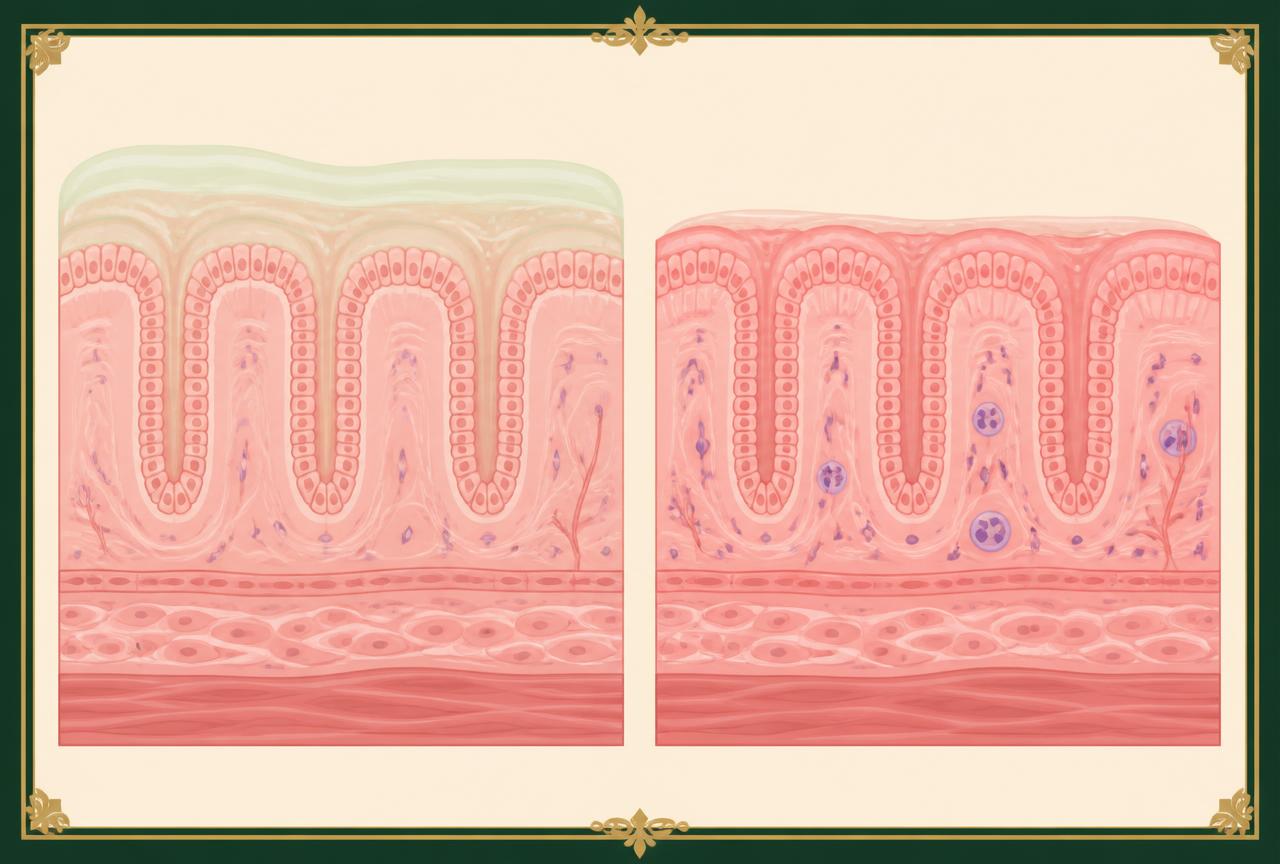
What you are looking at
The inside of the stomach is a strongly acidic environment. That acidity is normal and useful: it helps break food down and forms part of the body's defence against swallowed organisms.
So why does the stomach not digest itself? Because the lining has several overlapping protective mechanisms working continuously.
Your stomach is designed to function in an acidic environment. Problems can develop when these protective mechanisms are disrupted or the lining becomes inflamed.
This is why stomach acid itself is not automatically a disease. If you would like to understand where the stomach sits in the wider digestive process, our guide How Your Digestive System Works walks through the whole tract from mouth to colon.
Built-in protection
Five mechanisms that protect the stomach lining
Mucus layer
A gel-like coat that sits over the surface cells of the lining.
Bicarbonate
Secreted beneath the mucus, it helps neutralise acid close to the surface.
Mucosal blood flow
Delivers oxygen and nutrients and helps clear acid that reaches the tissue.
Tight epithelial barrier
Surface cells are joined closely so acid cannot easily pass between them.
Rapid repair and renewal
Surface cells are replaced continuously as part of normal turnover.
Clinicians often distinguish between acute and chronic gastritis, and the difference is more than a matter of timing.
Acute gastritis refers to inflammation that develops relatively suddenly. Chronic gastritis refers to inflammation that persists over a longer period, and it may be associated with conditions such as long-standing H. pylori infection or autoimmune gastritis.
The cause, severity and clinical importance can differ considerably between the two. Acute gastritis does not automatically progress into chronic gastritis, and chronic gastritis does not always begin with an obvious acute episode.
One of the most common misunderstandings about gastritis is that it has a single cause — usually blamed on food or stress. In reality, several different processes can inflame the stomach lining.
Determining the cause matters, because treatment depends on the cause. There is no single treatment that is appropriate for every type of gastritis.
Helicobacter pylori is a bacterium that can colonise the stomach and cause chronic inflammation of the stomach lining. It is one of the most common chronic bacterial infections in the world.
Infection may be present without obvious symptoms. Many people carry H. pylori for years without noticing anything, which is precisely why symptoms alone are not a reliable guide.
H. pylori is also associated with peptic ulcer disease, certain forms of chronic gastritis, and an increased risk of some gastric cancers in infected populations.
That last point deserves care rather than alarm. Most people with H. pylori do not develop stomach cancer, but persistent infection is medically important and should be appropriately evaluated and treated when indicated.
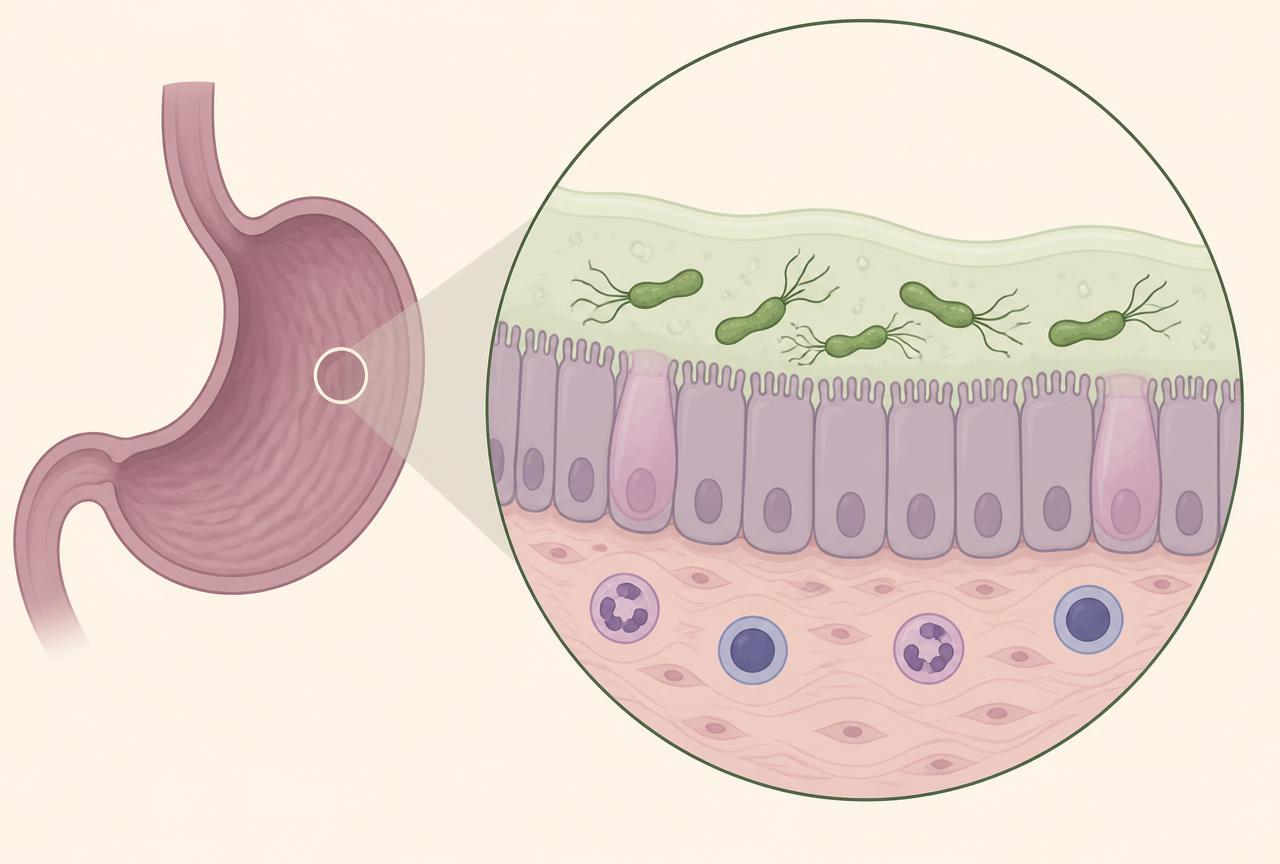
From stomach to microscope
H. pylori is commonly acquired during childhood. Transmission is thought to occur person to person, through faecal-oral and oral-oral routes, particularly where sanitation is limited or where close household contact makes spread easier.
It is not caused by one particular meal or ingredient. Eating spicy food does not create an H. pylori infection.
Practical measures such as clean drinking water, safe food handling and good hand hygiene are sensible general public health habits, but no household routine can be presented as a guaranteed way to prevent or clear infection.
Non-steroidal anti-inflammatory drugs (NSAIDs) are among the most widely used medicines in Ghana and worldwide. They include ibuprofen, diclofenac and naproxen, and aspirin in relevant contexts.
NSAIDs reduce the production of prostaglandins, which normally contribute to protecting the stomach and duodenal lining. With less prostaglandin activity, the lining produces less mucus and bicarbonate and receives less mucosal blood flow.
This can increase the risk of gastric injury and peptic ulcers, particularly with higher doses, prolonged use or certain individual risk factors such as older age, previous ulcer disease or the use of several medicines together.
If you regularly use NSAIDs or prescribed aspirin and have stomach symptoms, discuss this with an appropriate healthcare professional before making changes to your medication. Aspirin in particular is sometimes prescribed for important cardiovascular reasons and should never be stopped abruptly on your own.
How NSAIDs affect the lining
Regular or high-dose NSAID use
Reduced protective prostaglandin activity in the gastroduodenal lining
Less mucus, bicarbonate and mucosal blood flow
Greater susceptibility to stomach and duodenal injury
Alcohol, particularly excessive use, can irritate and damage the gastric mucosa and may contribute to acute gastric inflammation.
That does not mean one drink automatically causes gastritis. The relationship depends on quantity, pattern of use, other medicines and individual factors.
If you already have upper abdominal symptoms, reducing or avoiding alcohol is a reasonable step while you get properly assessed — and for some people, based on medical advice, avoiding it entirely is the right decision.
In autoimmune gastritis, the immune system attacks particular cells within the stomach lining — the cells responsible for producing acid and a substance called intrinsic factor.
Over time this may affect stomach acid production, intrinsic factor availability and, as a consequence, vitamin B12 absorption. Where B12 deficiency becomes significant, it can lead to pernicious anaemia.
This form of gastritis is less common than H. pylori-related gastritis, but it is important because its management focuses on monitoring and correcting nutritional consequences rather than on eradicating an infection.
This is one of the most persistent beliefs about gastritis, and it is only partly right.
Everyday psychological stress can worsen digestive symptoms in some people, but it should not automatically be assumed to be the underlying cause of gastritis. Assuming stress is the cause is one of the most common reasons an H. pylori infection or a medication effect goes unrecognised for years.
There is a separate situation that genuinely involves stress: severe physiological stress in critically ill or severely injured patients can cause stress-related mucosal disease. That is a hospital-level condition and is different from ordinary day-to-day emotional stress.
Stress can influence how your stomach feels without necessarily being the cause of inflammation in your stomach lining. Our article Your Gut and Brain Are Constantly Talking explains those pathways in more detail.
Spicy foods are not considered a primary cause of most gastritis. Populations that eat heavily spiced food every day do not have gastritis at a rate that would support that idea.
However, spicy foods may worsen symptoms in some people who already have upper gastrointestinal irritation or sensitivity. If pepper reliably makes your symptoms worse, it is reasonable to reduce it while you are unwell.
A food can trigger symptoms without being the underlying cause of the disease. This distinction matters, because permanently avoiding pepper will not resolve an infection or a medication effect.
Some people with gastritis have no symptoms at all. Others experience a range of upper digestive complaints.
The important caution is that none of these symptoms are specific to gastritis. They can occur in peptic ulcer disease, functional dyspepsia, reflux disorders, gallbladder disease, pancreatic disease, other gastrointestinal conditions and occasionally in conditions that have nothing to do with digestion at all.
Symptoms alone cannot reliably tell you whether your stomach lining is inflamed.
These two words are used interchangeably more often than almost any other pair in digestive health, and they describe genuinely different things.
Gastritis is inflammation of the stomach lining. A peptic ulcer is a deeper break or sore in the lining of the stomach or duodenum. They can share causes — H. pylori and NSAIDs feature in both — and they can share symptoms, and they may sometimes coexist. They are still not interchangeable diagnoses.
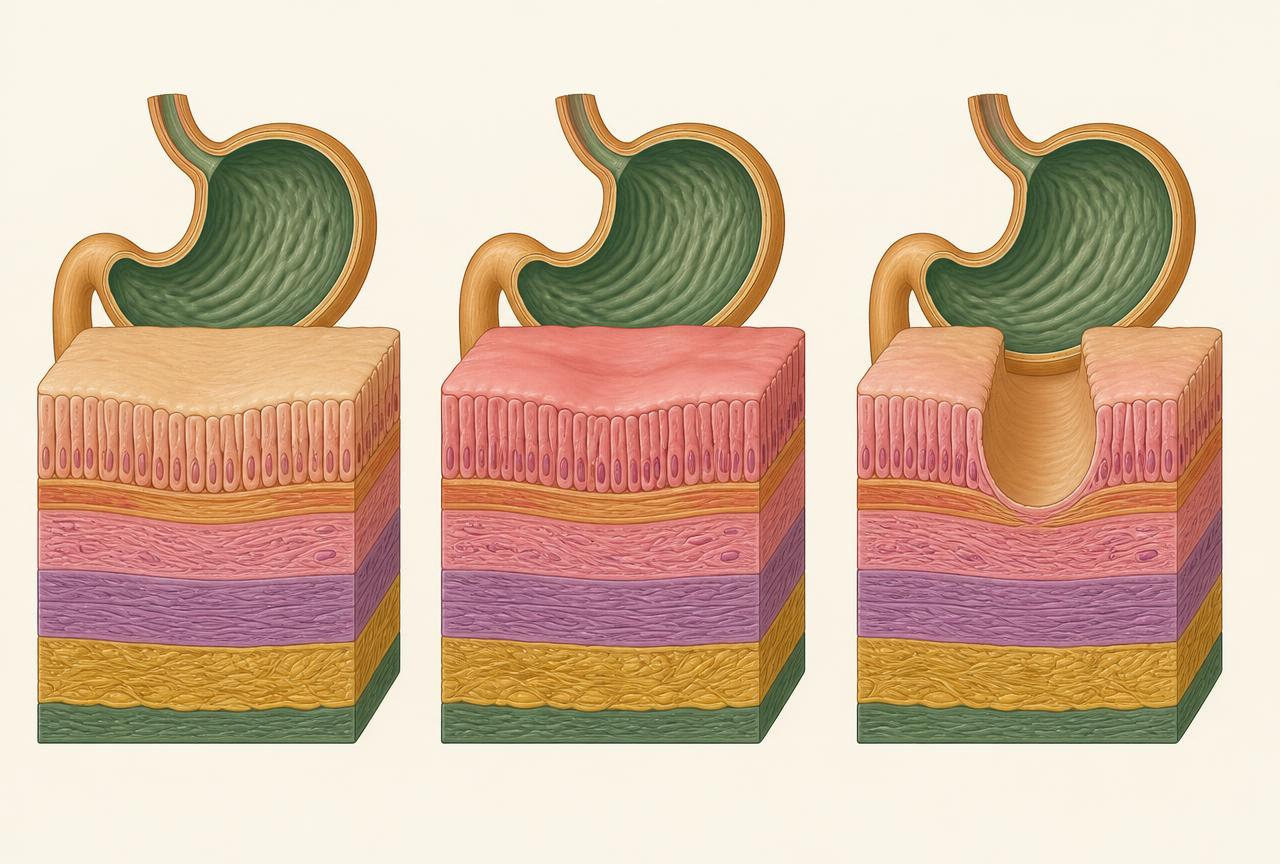
Three states of the stomach wall
Gastritis
Inflammation of the stomach lining.
Peptic ulcer
A deeper break or sore in the lining of the stomach or duodenum.
What it is
Gastritis: Inflammation of the stomach lining (gastric mucosa).
Ulcer: A deeper break or sore in the lining of the stomach or duodenum.
Depth
Gastritis: The surface layer is irritated and inflamed.
Ulcer: The defect extends deeper than superficial inflammation.
Shared causes
Gastritis: H. pylori, NSAIDs, alcohol, autoimmune disease and others.
Ulcer: H. pylori and NSAIDs are the most commonly recognised causes.
Diagnosis
Gastritis: Not reliably diagnosed from symptoms alone.
Ulcer: Usually identified on endoscopy when clinically indicated.
The two conditions can share causes and symptoms and may sometimes occur together, but they are not interchangeable diagnoses.
Gastritis involves inflammation of the stomach lining. Gastro-oesophageal reflux involves stomach contents moving backward into the oesophagus.
Symptoms may overlap, particularly upper abdominal discomfort and burning sensations, but the mechanisms are different: one is a problem of the stomach lining, the other is a problem of where stomach contents end up.
Because the treatments and investigations differ, describing your symptoms accurately — where the discomfort is, when it happens, what makes it worse — is genuinely useful information for a clinician.
Assessment depends on the person: their symptoms, medical history, age, risk factors and whether any warning signs are present. Not everyone with indigestion needs an invasive test, and not everyone can be safely managed without one.
Endoscopy allows a clinician to examine the upper gastrointestinal tract directly, while biopsies taken during the procedure can provide additional information about inflammation, H. pylori and other conditions.
Several tests are available, and the right one depends on the clinical situation and what is accessible locally.
Blood antibody testing has limitations, because antibodies may remain detectable after a previous infection has already been treated. A positive antibody result therefore does not always mean an active infection.
Certain medicines can also affect results. Proton-pump inhibitors, antibiotics and bismuth-containing products can suppress the bacteria enough to produce a false negative on some tests. For this reason, testing should be performed according to appropriate clinical instructions rather than by stopping medicines independently.
There is no universal gastritis prescription, because the correct treatment depends on why the stomach lining is inflamed. What follows are principles, not instructions for any individual person.
If H. pylori is present: treatment typically involves a guideline-recommended combination of antibiotics and acid-suppressing medication, sometimes with bismuth depending on the regimen and local recommendations. Completing the prescribed treatment and confirming eradication afterwards are both important — symptoms improving is not confirmation that the infection has gone.
If NSAIDs are contributing: a clinician may review the medicine, the dose, the reason it was prescribed and whether gastroprotection is needed. Do not stop prescribed medicines yourself.
Acid suppression: proton-pump inhibitors or other acid-reducing medicines may be used in appropriate situations, for an appropriate duration.
Autoimmune gastritis: management may include monitoring and addressing nutritional deficiencies such as vitamin B12 deficiency where present.
A necessary caution: when H. pylori eradication is medically indicated, it requires evidence-based eradication therapy. Herbal medicine, activated charcoal, fasting, smoothies, dietary changes and wellness supplements — including any HealSpace product — do not reliably eradicate H. pylori and must not be used as a replacement for indicated treatment.
There is no single universally required gastritis diet that works for every person. Individual tolerance varies a great deal.
During periods of significant upper gastrointestinal discomfort, some people find smaller, simpler meals more comfortable. That is a practical adjustment, not a cure.
A person does not necessarily need to eliminate every spicy, acidic or high-fibre food simply because they have gastritis. Long lists of forbidden foods usually do more harm than good, making eating stressful and nutrition worse.
One safety note that matters: prolonged water-only fasting, fruit-only diets, smoothie-only diets, juice cleanses and severe food restriction are not appropriate treatments for gastritis. Anyone who cannot tolerate solid food, has persistent vomiting, significant weight loss, or cannot maintain adequate nutrition and hydration should be assessed medically rather than restricting further.
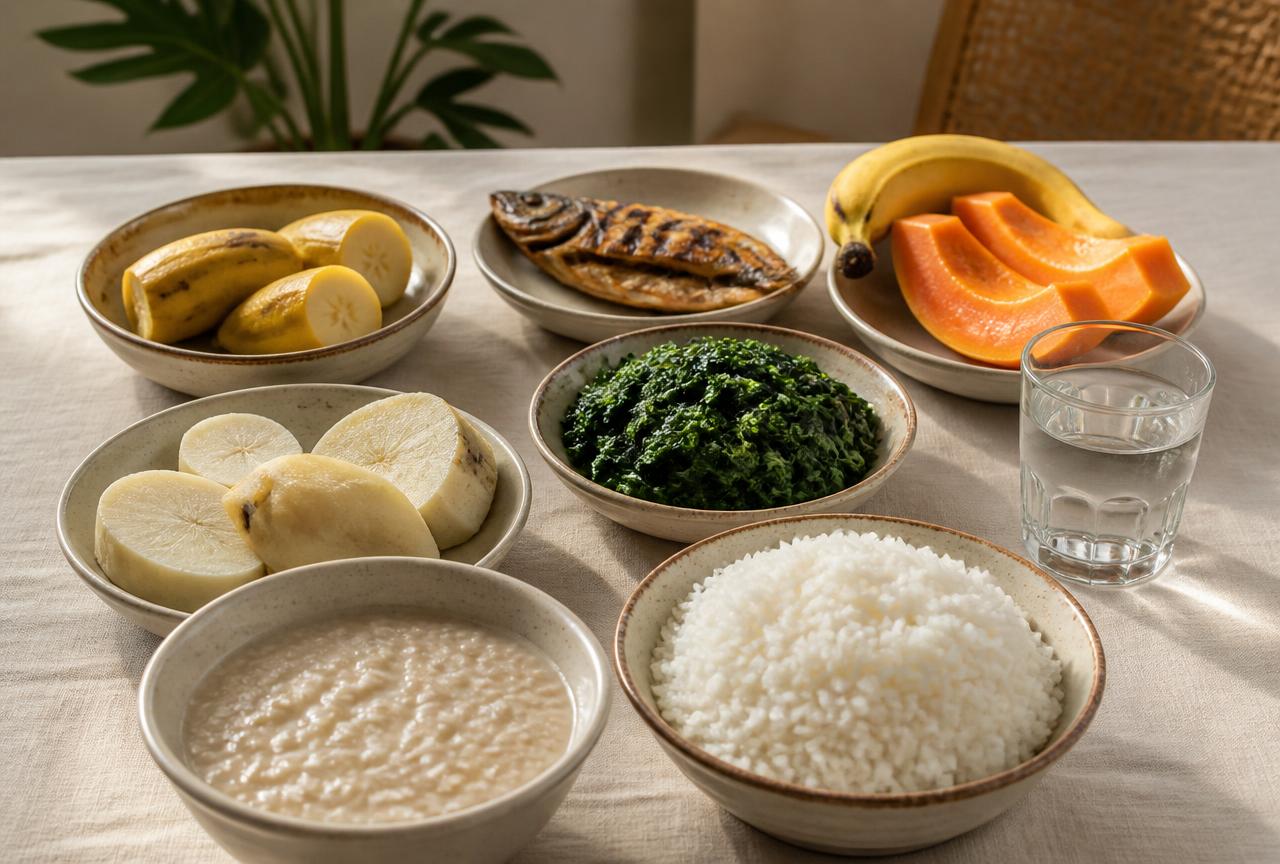
In practice, most people want to know what to actually cook while their stomach is unsettled. The honest answer is that this is individual, but some Ghanaian staples are relatively simple and easy to prepare in gentler forms.
Tolerance differs. A food that feels comfortable for one person may trigger symptoms in another, and none of these foods treat or cure gastritis. Use them as a starting point, notice what your own body does, and return to a full varied diet as you recover.
The stomach lining has substantial capacity for repair and renewal. Its surface cells are replaced continuously as part of normal function, which is one reason inflammation of the lining is not automatically permanent.
Whether and how quickly things settle depends on the cause, the severity, how long the inflammation has been present, whether the cause has been removed or treated, and any other medical conditions involved.
For that reason, no one can responsibly promise a fixed healing time. Chronic gastritis may also require ongoing follow-up depending on its cause and any associated changes in the lining.
Complications depend strongly on the type and cause of gastritis, and they are not the expected outcome for most people with occasional stomach discomfort.
Most people with stomach discomfort should not assume they are developing these complications. The point is to investigate persistent or concerning symptoms appropriately rather than to worry about outcomes that may never apply to you.
New black, tarry or sticky stool — especially with weakness, dizziness, abdominal symptoms or vomiting blood — requires prompt medical assessment.
Suspected gastrointestinal bleeding is a medical situation. It should not be managed at home with supplements, charcoal or herbal remedies.
Most of the confusion around gastritis comes from a handful of ideas that get repeated until they sound like facts.
Myth
Gastritis simply means stomach pain.
Reality
Gastritis specifically refers to inflammation of the stomach lining.
Myth
Pepper is the main cause of gastritis.
Reality
Spicy foods may worsen symptoms in some people but are not considered the primary cause of most gastritis.
Myth
Gastritis and stomach ulcers are the same thing.
Reality
Gastritis is inflammation; an ulcer is a deeper break in the lining.
Myth
Stress is the main cause of gastritis.
Reality
Everyday stress can influence symptoms, but gastritis has multiple possible causes, including H. pylori, medicines and autoimmune disease.
Myth
If my symptoms disappear, H. pylori must be gone.
Reality
Symptoms cannot reliably confirm whether H. pylori has been eradicated.
Myth
Every gastritis patient should avoid all fruit, vegetables and spices permanently.
Reality
Dietary tolerance varies, and unnecessary long-term restriction can make eating difficult and nutritionally inadequate.
If you suspect gastritis, the goal is not to guess your way to a diagnosis. It is to gather the right information and get assessed properly.
Some symptoms need professional assessment rather than time, supplements or home remedies. Seek medical attention if you experience:
These symptoms should not simply be treated at home with supplements or herbal remedies. HealSpace Wellness is a wellness and supplement brand, not a clinic.
Continue learning
Gut & Digestive Health
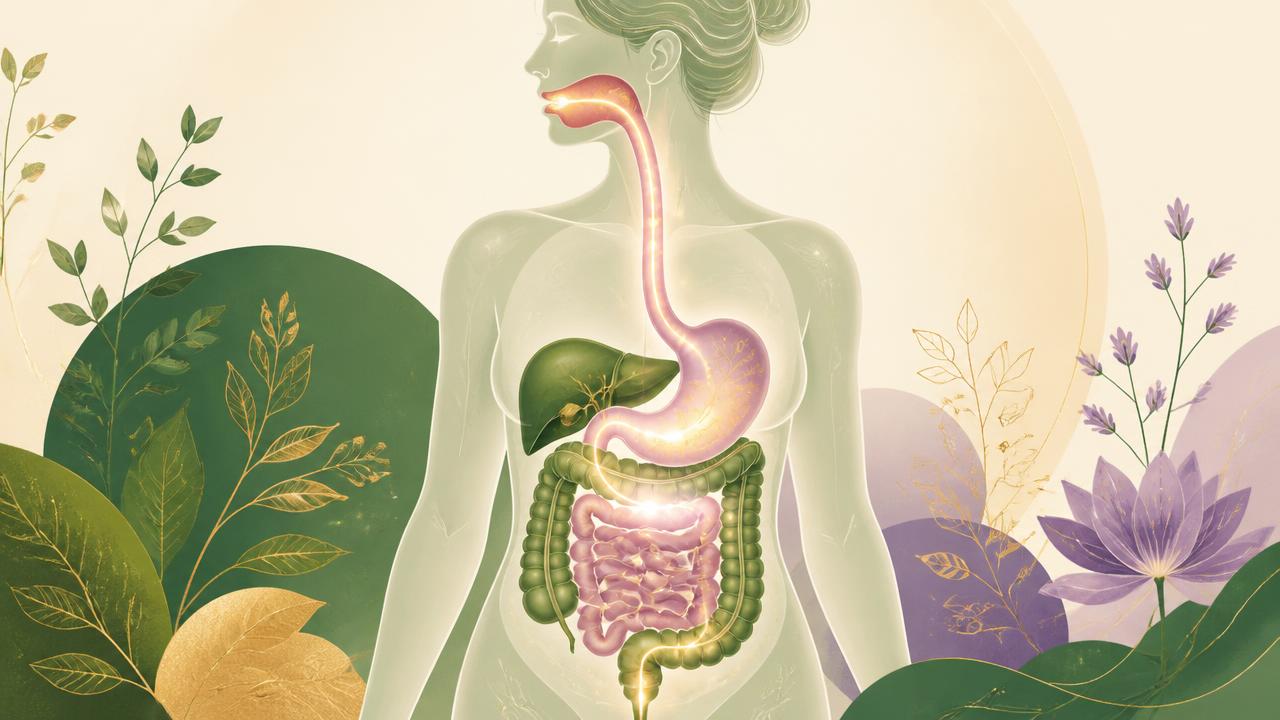
Your digestive system does far more than process food. Understanding how it works can help you make better choices for digestion, nutrition and everyday wellbeing.
Gut & Digestive Health
A step-by-step walk through the digestive tract, from the first bite to elimination, in plain language.
Gut & Digestive Health
A common stomach bacterium many people carry — testing, why it matters, and what proper care involves.
In development
HealSpace community
Join the HealSpace Wellness Community for practical health education, wellness tips and new learning resources.