
Gut & Digestive Health
How Your Digestive System Works: From Mouth to Colon
A step-by-step walk through the digestive tract, from the first bite to elimination, in plain language.
Divine Odonkor8 min read
Read Article 
Most people only think about their digestive system when something goes wrong — bloating after a meal, heartburn at night, constipation, diarrhoea, stomach discomfort or a sudden change in appetite. But your digestive system is working every day, whether you notice it or not.
Its job goes far beyond simply breaking down food. Your digestive tract helps your body obtain nutrients and water, interacts closely with the immune and nervous systems, houses a large community of microorganisms, and sends continuous signals to the brain.
That is why gut health deserves attention even before uncomfortable symptoms appear. Understanding your digestive system can help you recognise unhealthy patterns earlier, build better everyday habits, and know when symptoms deserve professional medical assessment.
A key idea to hold onto: gut health is not about having a “perfect” digestive system. It is about supporting normal digestive function, understanding your body's signals and responding appropriately when something changes.
“Gut” is an informal word. In everyday conversation it usually refers to the gastrointestinal tract — the digestive tube that food travels through from the moment you eat to the moment waste leaves the body.
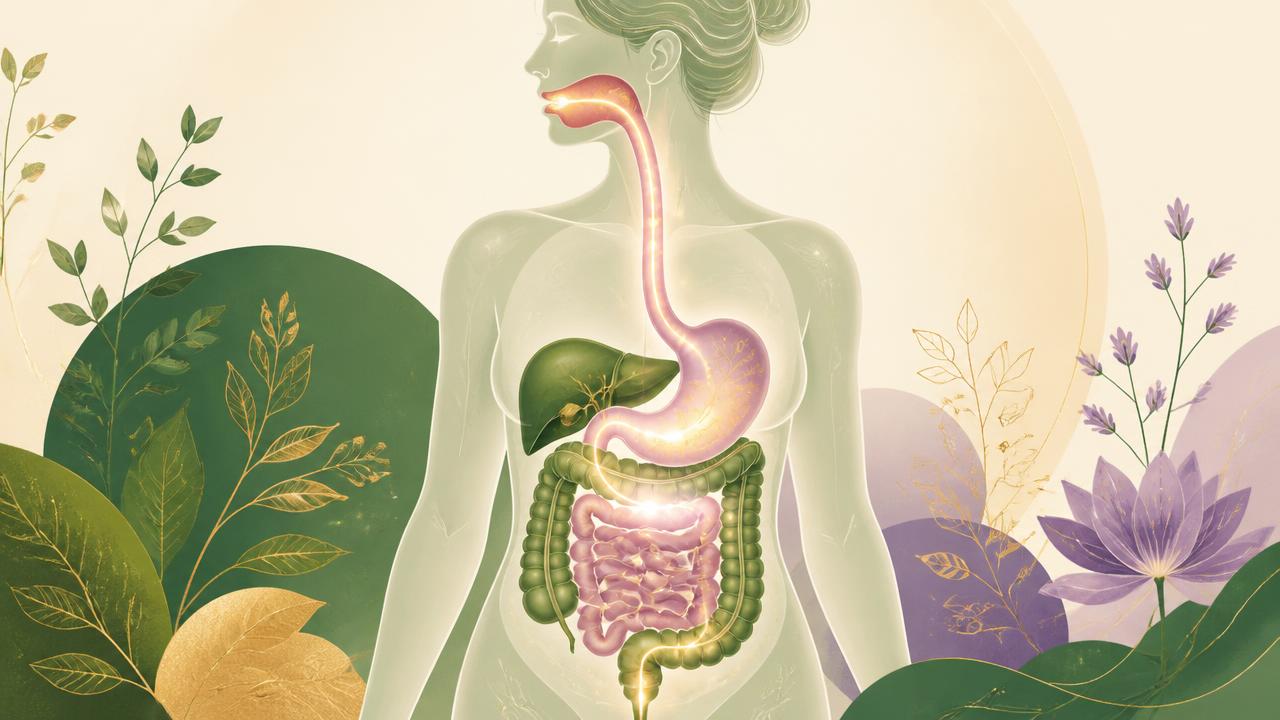
The digestive system includes the mouth, the oesophagus (food pipe), the stomach, the small intestine, the large intestine or colon, and the rectum. Food does not pass through every digestive organ: the liver, gallbladder and pancreas sit alongside the tract and play essential supporting roles by producing bile and enzymes that make digestion possible.
Different parts of the digestive system perform different jobs, but they work together as one coordinated system. When people describe “good gut health”, they usually mean that this system is doing its work comfortably and reliably.
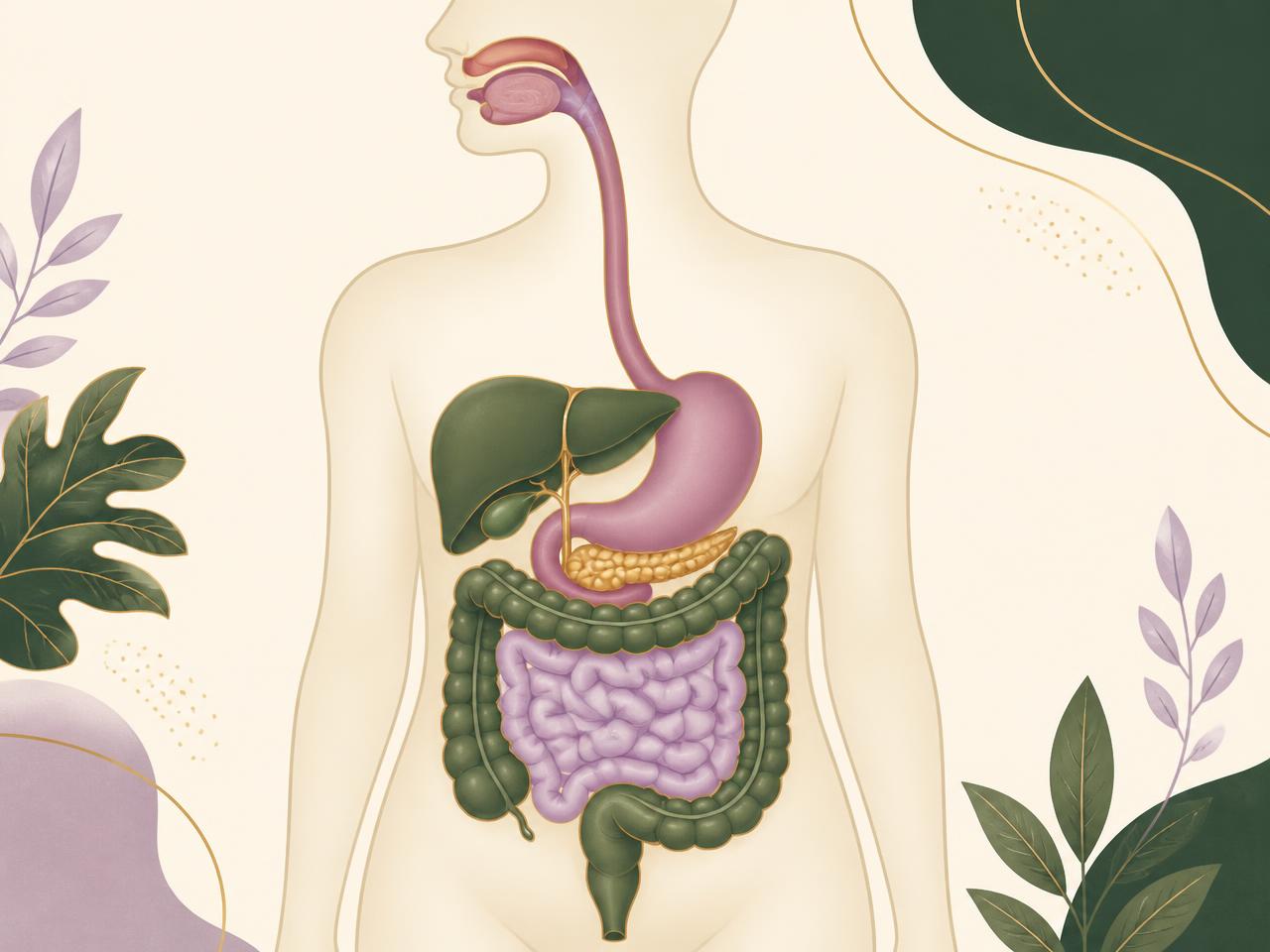
What you are looking at
Digestion happens in stages, and each stage prepares food for the next one.
1. Eating and chewing. Digestion begins in the mouth. Chewing physically breaks food into smaller pieces, while saliva starts the chemical side of digestion.
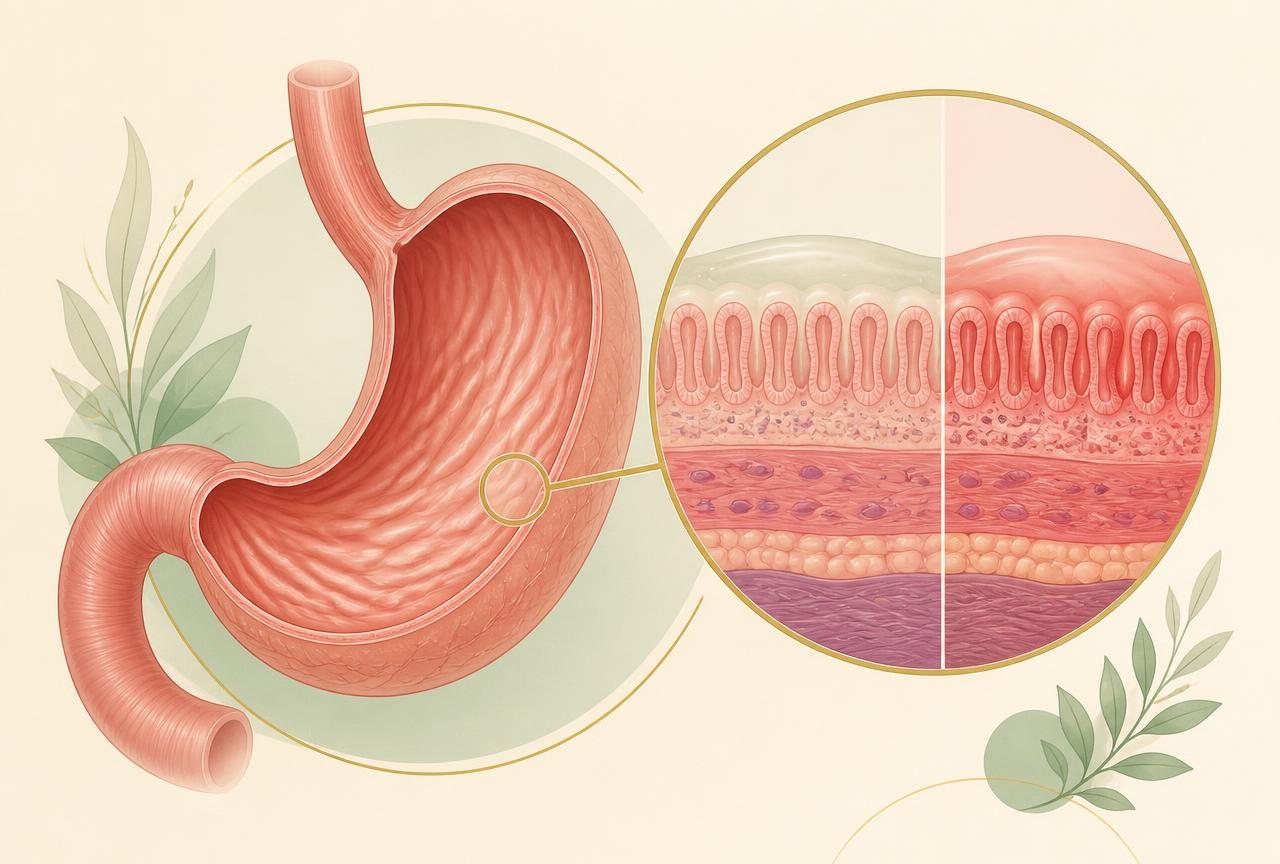
2. The stomach. Food enters the stomach and mixes with acid and digestive substances. Stomach acid is normal and necessary — it helps break down food. Problems tend to arise when the protective balance of the stomach lining is disrupted, or when reflux allows stomach contents to move upward into the oesophagus.
3. The small intestine. Much of digestion and nutrient absorption happens here. Enzymes and digestive secretions break food into forms small enough to be absorbed into the body.
4. The large intestine. The colon absorbs water and electrolytes, processes material that was not absorbed earlier, and hosts a large community of microorganisms.
5. Elimination. Remaining waste material eventually leaves the body through bowel movements.
A healthy diet provides nutrients — but the body cannot use them until the digestive system has broken food down and absorbed the usable parts. Digestion is the bridge between what is on your plate and what reaches your cells.
Some digestive diseases can interfere with absorption. That does not mean every digestive symptom causes a nutrient deficiency; establishing whether absorption is genuinely affected requires appropriate medical evaluation rather than guesswork.
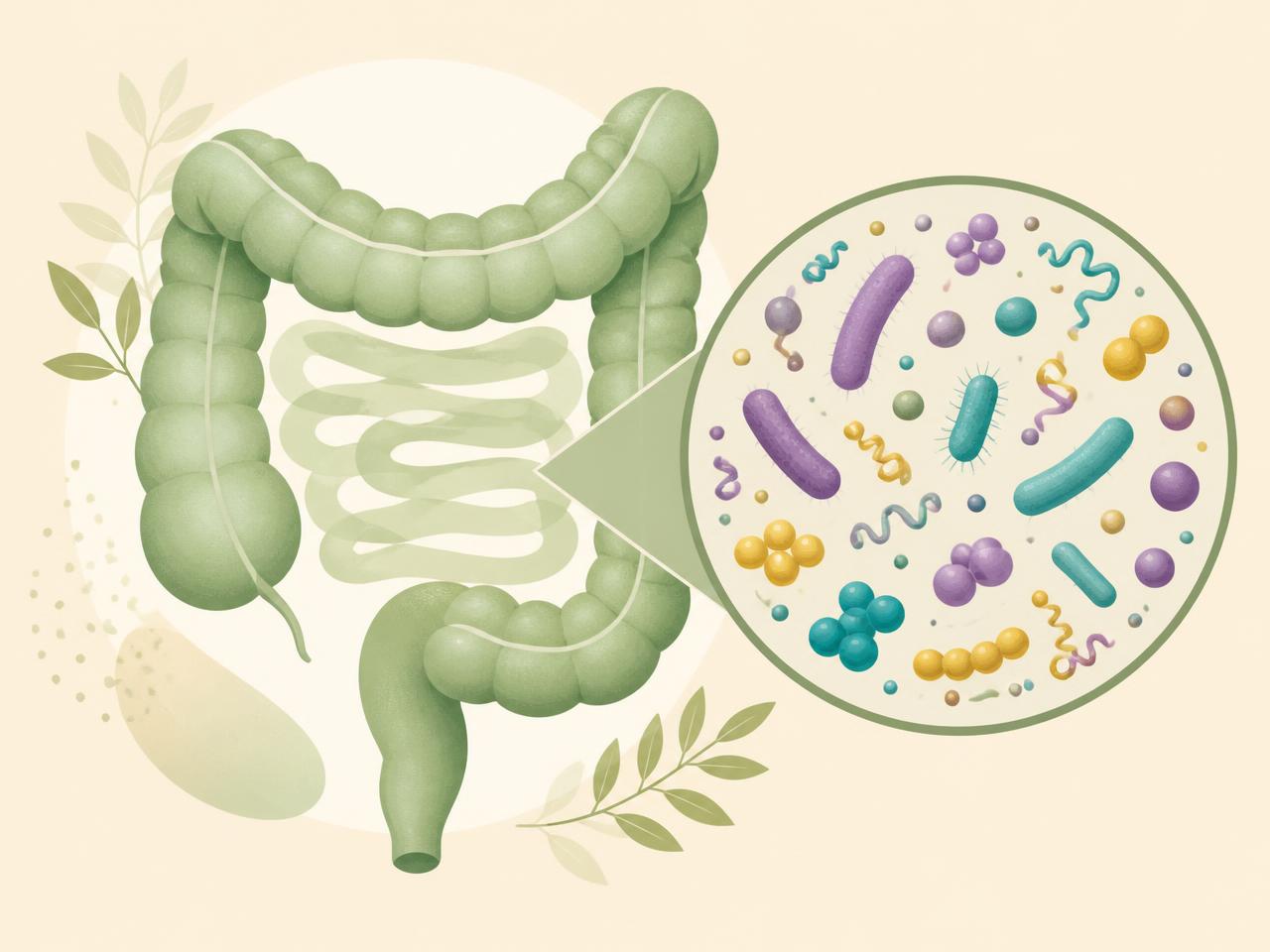
The digestive tract — particularly the large intestine — is home to trillions of microorganisms, including bacteria and other microbes. Collectively these communities are often called the gut microbiome.
Researchers continue to study how changes in the microbiome relate to health and disease. The science is genuinely important, but it is still developing. Claims about “fixing”, “resetting” or “rebuilding” the microbiome in a few days should be treated cautiously, whoever is making them.
The gastrointestinal tract is constantly exposed to food components and microorganisms. Because of that, immune tissues in and around the gut play important roles in maintaining balance and responding to potential threats.
It is fair to say gut and immune function are closely connected. It is not accurate to say most diseases are caused by poor gut health. Immune health is influenced by many systems and factors throughout the body, including sleep, nutrition, age, vaccination, chronic conditions and medication.
The digestive tract and the brain communicate through neural, hormonal, immune and metabolic pathways. This two-way communication is often called the gut-brain axis.
It helps explain something many people notice in daily life: stress, worry or anxiety can arrive alongside stomach discomfort, nausea, changes in appetite, diarrhoea, constipation or bloating. The traffic runs both ways — ongoing digestive symptoms can also affect mood, sleep and quality of life.
This connection should not be oversold. Gut-health supplements do not treat depression, anxiety or psychiatric conditions. Mental-health conditions and persistent digestive problems both deserve appropriate professional care when needed.
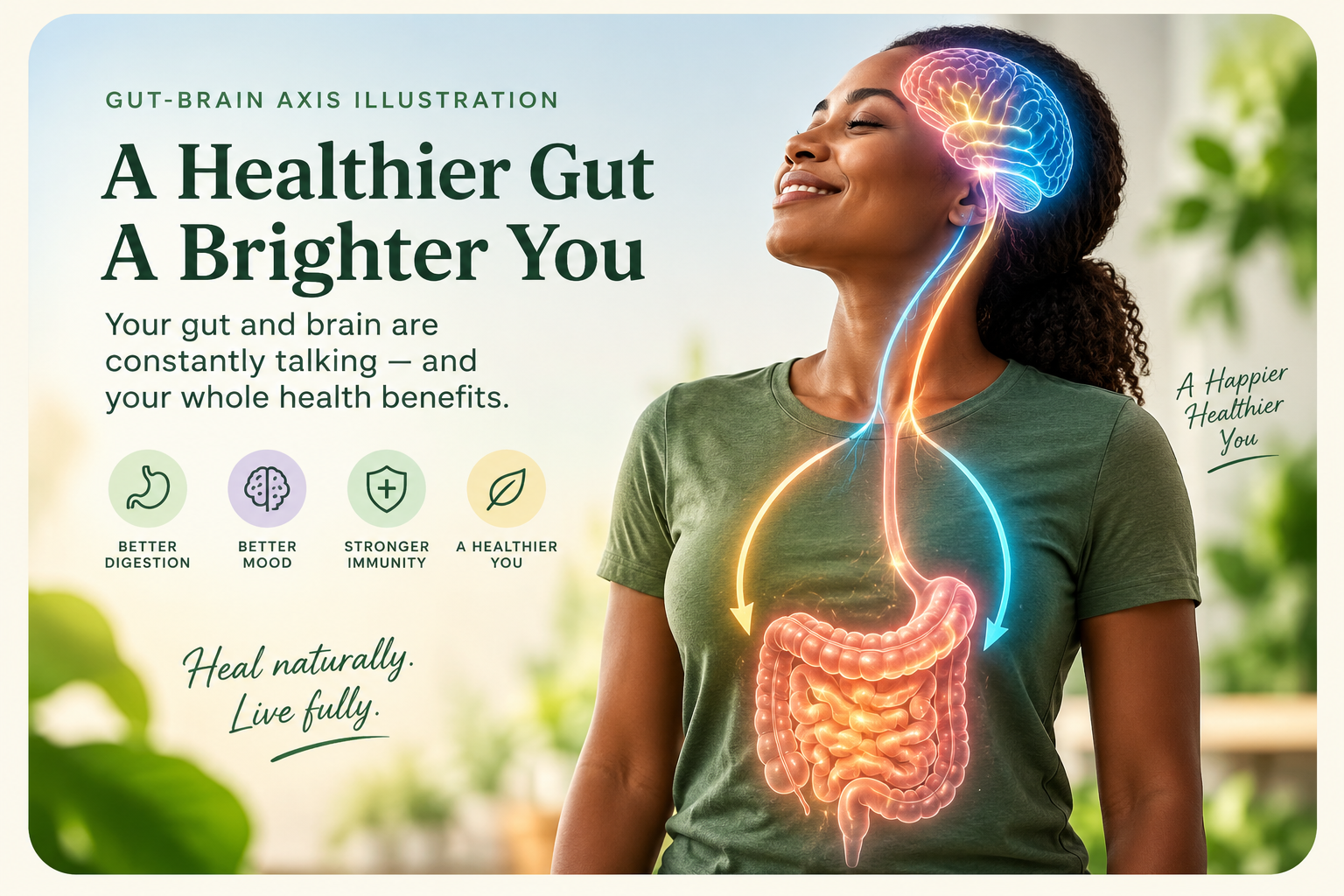
The gut-brain axis
Digestive complaints show up in familiar ways. Recognising them clearly makes it easier to describe what you are experiencing to a health professional.
These symptoms do not all mean the same thing. Similar digestive complaints can occur for very different reasons — from eating habits and stress to infections, food intolerances and medical conditions. Persistent symptoms should not automatically be labelled “poor gut health”. Understanding the cause matters.
Occasional digestive discomfort is common. Symptoms that persist, worsen or repeatedly interfere with daily life deserve attention rather than another round of self-treatment.
Conditions such as gastritis, peptic ulcer disease, H. pylori infection, gastro-oesophageal reflux disease, irritable bowel syndrome, gallbladder problems, liver or pancreatic conditions, food intolerances, inflammatory bowel disease and other gastrointestinal disorders can sometimes produce overlapping symptoms.
That overlap is exactly why self-diagnosis is unreliable. The same symptom can have multiple causes, so persistent problems may require a proper history, examination and sometimes testing.
There is no single miracle food or supplement for gut health. What helps most is a set of ordinary habits repeated consistently.
Eat a varied diet. Where accessible, build meals around a variety of minimally processed foods — vegetables, fruits, whole grains, legumes and other nutrient-rich foods — according to your own tolerance.
Get enough fibre. Fibre supports bowel function and provides substrates used by some gut microorganisms. Fibre needs vary between people, and a sudden large increase can worsen bloating, so build up gradually.
Stay hydrated. Water is essential for normal body function and supports the work fibre does in the bowel, especially in a hot climate.
Move regularly. Regular physical activity supports overall health and normal bowel function.
Eat mindfully. Slower eating, adequate chewing and avoiding habitual overeating are simple changes that often reduce discomfort.
Prioritise sleep. Sleep influences many aspects of metabolic and overall health, and poor sleep frequently shows up in digestion.
Manage stress. Chronic stress can affect digestive symptoms through gut-brain pathways.
Be careful with unnecessary medication use. Some medicines affect the gastrointestinal system and the microbiome. In particular, frequent unnecessary use of NSAID painkillers can contribute to stomach and intestinal injury in some people. Never stop or change a prescribed medicine without medical advice.
Everyday gut health
Six habits that do more than any short-term cleanse
Varied food
Build meals around a mix of minimally processed foods.
Fibre
Increase gradually — beans, oats, fruit and vegetables.
Water
Hydration helps fibre work, especially in the heat.
Movement
Regular activity supports normal bowel function.
Sleep
Poor sleep often shows up in digestion.
Stress management
Stress travels through gut-brain pathways.
Probiotics are live microorganisms that, when taken in adequate amounts, may provide a health benefit — depending on the specific strain and the specific situation.
Benefits are strain-specific. A probiotic product that helped one person with one problem should not be assumed useful for every digestive complaint. Fermented foods feature in many healthy dietary patterns and can be enjoyable and nourishing, but they are not a cure for digestive disease.
Not everyone needs a probiotic supplement. If you are considering one for a persistent problem, it is worth discussing with a health professional rather than layering products on top of an undiagnosed symptom.
Your body already has organs and systems involved in processing and eliminating waste, including the liver, kidneys and gastrointestinal tract. They work continuously without needing to be switched on by a product.
Extreme cleansing practices, prolonged fasting, repeated laxative use and aggressive “detox” regimens are not required for routine digestive health, and can sometimes cause harm — dehydration, electrolyte disturbance and disrupted bowel function among them.
Supporting digestion with balanced nutrition, hydration, movement, sleep and appropriate healthcare is generally more useful than chasing dramatic “gut cleanse” promises.
Digestive health does not operate in isolation. It interacts with nutrition, immune function, nervous-system signalling, metabolism, appetite, hydration and overall quality of life.
But here is the distinction that matters most, and the one HealSpace will keep repeating: not every health problem begins in the gut, and improving digestion is not a cure for every disease.
Gut health is worth caring for on its own terms — as one important part of whole-body health, honestly described.
Some digestive symptoms need professional assessment rather than watchful waiting. Seek medical care if you notice any of the following:
These symptoms should not be managed with supplements alone. Seek appropriate professional assessment.
Continue learning
Gut & Digestive Health
A step-by-step walk through the digestive tract, from the first bite to elimination, in plain language.
Gut & Digestive Health
Gastritis means inflammation of the stomach lining — not every uncomfortable feeling in your stomach. What actually causes it, how it is diagnosed, and when symptoms need medical attention.
Gut & Digestive Health
What the microbiome is, what current science does and does not show, and how to read microbiome claims carefully.
In development
HealSpace community
Join the HealSpace Wellness Community for practical health education, wellness tips and new learning resources.